HCG for PCT Greece : Restore Balance and Boost Recovery Fast
In this post, we’ll delve into the use of HCG for PCT. This blog is intended to provide a research perspective on the topic and is not meant as medical advice.
Understanding HCG
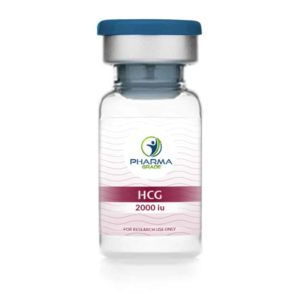
Human Chorionic Gonadotropin (HCG) is a hormone produced during pregnancy, it is also often used medically to treat hormone-related conditions in both men and women. HCG is commonly used in fertility treatments around the world, we discuss this subject in more depth in our HCG fertility blog. In the fitness community, HCG has garnered interest for its potential role in Post Cycle Therapy (PCT) among those individuals who need to increase their testosterone levels when it has been supressed by other medications or recreational therapies. The effect of PCT is to regain the testosterone level, so can HCG be used as a PCT?
The Role of PCT Greece
The primary goal of PCT is to restore the body’s natural hormonal balance including boosting natural oestrogen and testosterone. A PCT helps mitigate the negative effect of the use of aas, which can include suppressed testosterone production, testicular atrophy, and mood swings.
Support supplements encompass a range of products like Post Cycle Therapy (PCT), Test Base, and Cycle Support, each serving distinct purposes in the realm of using recreational medications for body composition to boost testicular recovery.
PCT supplements are crucial for restoring hormonal balance post cycle, aiding in natural testosterone production and mitigating potential side effects. Test Base supplements provide a foundation for cycles by optimizing testosterone levels, enhancing performance and muscle growth. On the other hand, Cycle Support supplements focus on overall health during a cycle, offering liver and cardiovascular protection, and supporting organ function.
How HCG Works Greece
HCG mimics the action of luteinizing hormone (LH) in the body. LH is crucial for stimulating testosterone production in the testes. By introducing HCG for PCT, the aim is to kickstart natural testosterone production, helping to restore hormonal equilibrium more swiftly and efficiently.
Benefits of Using HCG for PCT Greece
- Restores Natural Testosterone Levels: HCG stimulates the testes to produce testosterone, aiding in the rapid recovery of natural hormone levels potentially treating hypogonadism.
- Prevents Testicular Atrophy: Prolonged use of certain drugs use can lead to testicular shrinkage. HCG helps maintain testicular size and function.
- Mood Stabilisation: By reinstating natural testosterone levels, HCG can help stabilise mood and reduce the emotional fluctuations often experienced during PCT.
Research Insights
Numerous Greece studies have examined the efficacy of HCG in various medical contexts, though its effects of PCT specifically is less well-documented. Below, we summarise some key research findings relevant to HCG and its potential benefits:
- Testosterone Production: Research has shown that HCG can effectively stimulate testosterone production in hypogonadal men, suggesting potential benefits during PCT. Effects of testosterone reduction in a male can have many adverse effects including low mood, mental health disorders and even suicidal thoughts. Using HCG for PCT or testosterone replacement therapy could mitigate these side effects improving quality of live.
- Maintenance of Testicular Function: Greece Clinical studies indicate that HCG can prevent testicular atrophy and maintain testicular size during periods of hormonal suppression.
- Mood and Well-being: Limited studies suggest that restoring natural testosterone levels can have a positive impact on mood and overall well-being, though more research is needed to confirm these findings in the context of PCT.
Dosage and Administration
The appropriate dosage of HCG for PCT can vary. Common protocols suggest administering HCG for PCT in varying doses over a period of several weeks. However, it’s crucial to approach this under Greece medical supervision.
Potential Side Effects Greece
As with any medication, some will experience negative health effects. While HCG for PCT can be beneficial, it’s important to be aware of potential side effects, which may include:
- Water retention
- Gynecomastia
- Mood swings
- Headaches
Conclusion
The incorporation of HCG into Post Cycle Therapy offers a promising avenue for those seeking to restore hormonal balance after a steroid cycle. Its ability to stimulate natural testosterone production and prevent testicular atrophy makes it a valuable tool in the PCT arsenal, however future research will confirm its true benefits.
However, it’s essential to approach HCG for PCT use with a research-based mindset and to consult healthcare professionals, or health service support before making any decisions. Continued research and clinical studies are needed to fully understand the potential benefits and risks associated with HCG for PCT before this use can be used in the general population.
References:
[1] Rabe T, Richter S, Kiesel L, Runnebaum B. Risiko-Nutzen-Analyse einer hCG-500-kcal-Reduktionsdiät (Cura romana) bei Frauen [Risk-benefit analysis of a hCG-500 kcal reducing diet (cura romana) in females]. Geburtshilfe Frauenheilkd. 1987 May;47(5):297-307. German
[2] Lijesen GK, Theeuwen I, Assendelft WJ, Van Der Wal G. The effect of human chorionic gonadotropin (HCG) in the treatment of obesity by means of the Simeons therapy: a criteria-based meta-analysis. Br J Clin Pharmacol. 1995 Sep;40(3):237-43.
Frequently Asked Questions
Why is HCG used in Post-Cycle Therapy (PCT)?
HCG is used in PCT because research shows it can help reactivate testicular activity after strong hormonal suppression. Studies in hypogonadal and fertility research report that HCG can raise testosterone output and support testicular volume when baseline signaling is low. This makes it a studied option for restoring function in settings where normal hormone signals remain muted after external hormone exposure.
How long should HCG for PCT be used during recovery?
The ideal duration varies because recovery differs widely across research subjects exposed to different suppression lengths and intensities. Clinical studies on hormonal suppression often run HCG for several weeks to months, adjusting based on bloodwork rather than a fixed timeline. The safest research approach focuses on monitoring key markers and continuing only as long as required to observe stable hormonal restoration.
Does HCG for PCT help restore libido more quickly post-cycle?
HCG may support faster libido recovery in research settings because increased testicular activity often relates to improvements in sexual function. Some clinical studies in suppressed endocrine states report better mood and sexual parameters when testosterone rises from HCG administration. However, libido involves many pathways, so responses differ, and hormonal shifts do not always resolve all symptoms at the same rate.
Does HCG for PCT ensure full hormonal recovery after an anabolic cycle?
HCG cannot guarantee full recovery because endocrine rebound varies greatly among research subjects after strong androgen suppression. Published work on AAS-related hypogonadism shows that some regain normal hormone levels, while others experience slow or incomplete restoration even with intervention. HCG can support the process, but complete normalization depends on the depth of suppression and individual endocrine sensitivity.
Are there safer or better alternatives to HCG for PCT?
Research often compares HCG with SERMs such as clomiphene or enclomiphene, which raise endogenous signaling upstream rather than acting directly on testicular receptors. Clinical studies show both approaches can elevate testosterone, but they work through different pathways and may suit different recovery goals. Some protocols also combine gonadotropins when fertility is a priority, so the preferred option depends on what the research model aims to restore.
ALL PRODUCT INFORMATION AND ARTICLES ON THIS SITE ARE FOR EDUCATIONAL PURPOSES ONLY
DISCLAIMER: All products sold by PharmaGrade.Store are for research and laboratory use only. These products are not designed for use or consumption by humans or animals. They are not to be classified as a drug, food, cosmetic, or medicinal product and must not be mislabelled or used as such. By purchasing from our Website the buyer accepts and acknowledges the risks involved with handling of these products. All articles and product information provided on this Website are for informational and educational purposes only. Handling and use of these products should be restricted to suitably qualified professionals.